
“Why does this palette look amazing on everyone except me?”
If you’ve asked that while staring at a row of muddy browns, you’re not bad at makeup. You were probably following an eye-color chart that ignored half the picture.
The best eyeshadow for skin tone depend on your undertone and skin depth as well as your eye color, because those change how a shade looks once it’s on your lid. This guide puts all three together, with charts for blue and brown eyes.
What are Best Eyeshadow for Your Skin Tone?
The best eyeshadow shades for your undertone depend on whether your skin leans warm (yellow, peach, or golden hues), cool (pink, red, or blue hues), or neutral (a balance of both).
Eyeshadow Colors for Skin Tone vs Eye Color: Use Both
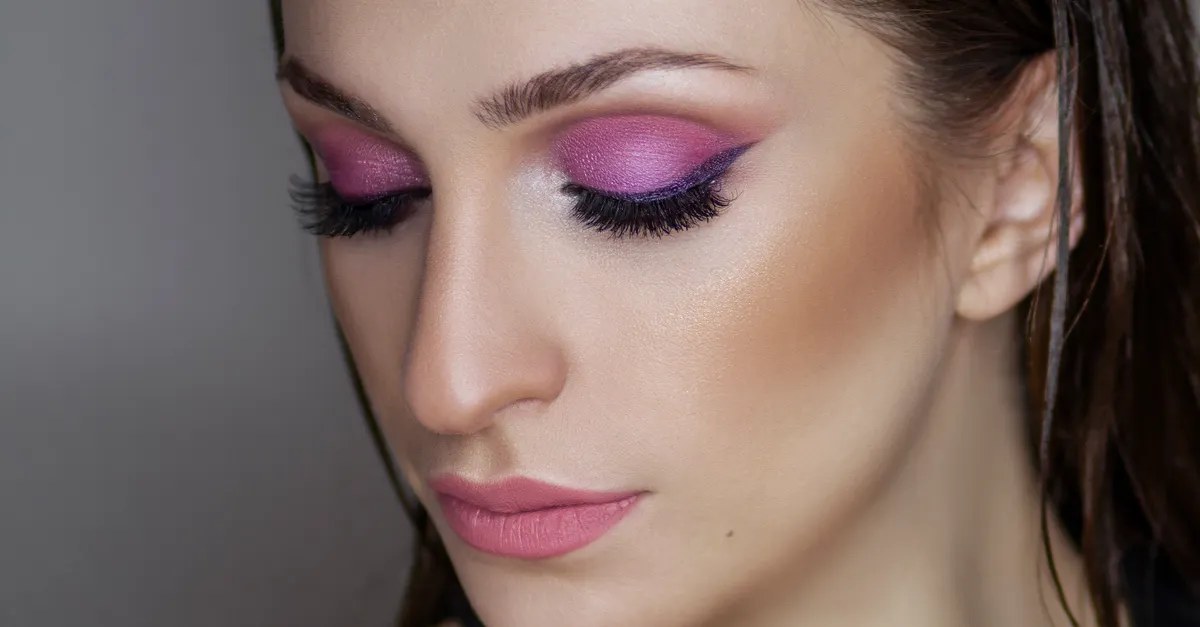
Eye-color charts aren’t wrong, they’re incomplete. Purple can create contrast with green eyes, but shade, saturation and the overall look all affect the result, and a chart says nothing about what that purple does against your skin. On warm skin, a cool purple can look bruised. On olive skin, it can go grey. On fair skin, it can overpower the whole face.
As a default, work in this order:
- Undertone decides whether a shade looks clean, muddy, orange or ashy on your skin.
- Depth controls how deep and pigmented a shade needs to be before it shows up at all.
- Eye color tells you which of your remaining options will make your eyes look their best.
Choosing eyeshadow for skin tone is partly a swatch test. When two suggestions conflict, try both on your lid in daylight and choose by the look you want. A shade that flatters your skin but doesn’t maximise your eye color still looks good. A shade that maximises your eye color but fights your skin looks like a mistake. If you’re unsure of your undertone, start with our complete guide to finding your skin undertone.
Warm Undertone Eyeshadow
Warm undertones have a golden, peachy or yellow base, and they come alive with shades that share that warmth: golden browns, bronzes, coppers, warm taupes, terracotta and olive green. For everyday wear, build around three shades:
- Lid: a warm bone or cream
- Crease: a golden caramel as the transition shade
- Outer corner: a soft bronze or warm brown to deepen the look
Changing the depth of the outer-corner shade changes the whole look.
Cool shades can create deliberate contrast on warm skin, so start with a small amount if you prefer subtlety. A frosty silver or blue-toned pink can look stark and disconnected, so use cool shades as a thin liner or inner-corner pop rather than a full-lid wash.
Eye color: Warm skin with brown eyes can wear nearly anything. With blue eyes, a copper or warm bronze lid gives the classic contrast. With green or hazel eyes, warm plums and burgundy-browns add contrast while still sitting happily on the skin.
Cool Undertone Eyeshadow
Cool undertones have a pink, red or blue base, and they look best in shades with the same cool backbone: mauves, soft plums, cool taupes, dusty roses, slate and silvery greys. A mauve that looks boring in the pan can look expensive on a cool-toned lid, because it melts into the skin instead of sitting on it. When you shop a cool toned eyeshadow palette, look for mauve-taupes, plums, slate and dusty rose, and check that the browns lean cool rather than orange.
Your everyday trio:
- Lid: a cool bone or soft pink
- Crease: a mauve-taupe as the transition shade
- Outer corner: a cool soft brown or plum
Keep the transition shade muted, and blend in thin layers. Harsh edges depend on pigment, brush, technique and skin texture, and a muted bridge shade does more work than any blending brush.
Warm orange-based shadows can be dramatic on cool skin, so use them on purpose. In daylight they can pull orange or look brassy. If you want warmth, reach for a muted rose-gold or warm mauve rather than a straight copper.
Eye color: Cool skin with blue eyes works best with a muted, rosy copper or soft terracotta-mauve rather than a bright copper. Cool skin with green eyes takes plum and berry tones beautifully. With brown eyes, it can carry deep plums and cool chocolates that would look heavy on warmer skin.
Neutral Undertone Eyeshadow
Neutral undertones can work with many palettes, but shade intensity, finish and personal preference still matter. The real question for neutral skin isn’t temperature, it’s saturation and depth. Muted, medium-saturation shades are your sweet spot: golden browns, soft bronzes and warm taupes from the warm side, and mauves, soft plums and cool taupes from the cool side.
The shades that tend to fail neutral skin are the extremes: icy pastels that look chalky, neon brights that look costume-like, and anything with a strong orange or blue base that pulls neutral skin toward one end of the spectrum. A useful test is to hold the shade next to your face in daylight. If you want a subtle look, choose a softer shade, and if you notice your eyes first, it’s right.
For eye color, neutral skin gets the full menu: plums for green eyes, coppers for blue eyes, golds and bronzes for brown eyes. If “you can wear anything” still leaves you lost, start with one warm-leaning and one cool-leaning palette in muted tones, and let your eye color decide which one you reach for most days.
Olive Skin Eyeshadow
Olive undertones vary, and they often don’t follow the standard warm/cool advice. Olive skin is commonly described as having a green-gold or grey-green cast, which can change how a shade reads. A brown that looks neutral in the pan may look taupe, grey or orange on the lid. Many shades sold as neutrals lean warm, and that warmth can look stronger on olive skin, so compare a few temperatures and muted options in the same light.
Test on your own lid rather than assuming a fixed result. Some people find cool browns turn grey, while others prefer cool taupes. Warm, gold or red-leaning browns are the safest starting point: warm bronze, gold, copper, warm sable and burgundy-brown. For mauves and pinks, choose muted, red-based versions (dusty rose, muted berry, brick) over icy or blue-based ones, which can look sickly or chalky.
Pale shimmers can go chalky on olive skin, while satins and soft metallics in warm golds and bronzes tend to look like they belong. Check any suspect shade in natural daylight, because store lighting can hide a shift that daylight reveals. For the full picture, see our guide to makeup colors for olive skin.
Everyday Neutrals by Skin Depth
Neutrals are the workhorse shades, but “neutral” changes with depth. The right neutral sits a step or two away from your skin’s depth in lightness, so it actually shows up.
Fair Skin
Light-to-medium neutrals work well: soft bone, champagne, light taupe and soft mauve-brown. Deeper shades can work too, as a deliberate contrast. A makeup artist quoted by Yahoo Lifestyle advises avoiding very dark, highly pigmented shades for contouring the eye and choosing something only a few shades darker than your skin. Skip pale shimmers that chalk up.
Light to Medium Skin
This is the widest range: warm beiges, caramel, medium taupes, soft bronzes and muted mauves. Let undertone decide between warm and cool. Avoid a transition shade that matches your lid exactly, or it vanishes instead of shaping.
Medium to Deep Skin
Go richer: caramel, copper-brown, deep bronze, warm chocolate and rich plum-brown. Under-pigmented shadows can look dull or ashy here, so choose formulas with real payoff and test under flash as well as daylight.
Deep Skin
Choose saturated, warm-based neutrals: deep bronze, copper, rich plum, warm chocolate and gold. Avoid ashy, pale or grey-based shades, which read chalky. The same Yahoo Lifestyle piece advises against ashy or white shades on deep skin and says not to be afraid of contrast. A satin or soft metallic finish adds dimension without the chalk risk of a matte pastel.
Across all depths, your transition shade should be visible but soft. When you compare options in a store, swatch it on your jawline in daylight, since the whole look depends on it.
Best Eyeshadow for Blue Eyes
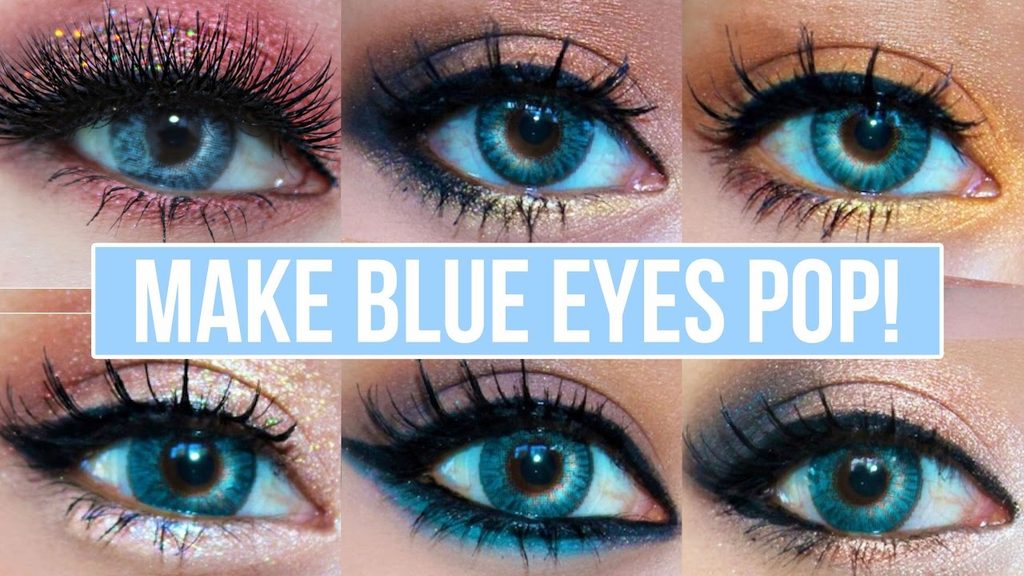
The best eyeshadow for blue eyes often comes from shades that create contrast with the iris. Copper, bronze, peach and warm gold are popular choices because their orange and golden undertones make blue eyes stand out. However, your skin undertone and eye shade also matter. Use the recommendations below to find eyeshadow for blue eyes that complements your overall complexion.
What Color Eyeshadow for Blue Eyes Works Most Often?
Warm bronze and copper are reliable starting points for blue eyes. They add definition without requiring a complicated eye look. Navy, charcoal and soft grey can also work when you want a smoky finish. If you have lighter hair or cool skin, experiment with softer versions of these shades rather than automatically choosing the warmest option.
| Shade | Why it works | Skin tone note |
|---|---|---|
| Copper and bronze | Create warm contrast against blue eyes | Choose rosy bronze on cool skin |
| Gold and champagne | Add warmth and brightness | Champagne for fair skin; richer gold for deeper skin |
| Peach, terracotta and rust | Add soft warmth without heavy contrast | Adjust saturation to your skin depth |
| Chocolate and warm brown | Provide natural everyday definition | Choose a brown that suits your undertone |
| Burgundy | Adds depth and definition | Try as a liner or outer-corner shade |
| Navy | Creates a deeper, smoky effect | Works well as liner or outer-corner color |
| Silver, lilac and soft grey | Offer a cooler alternative | Particularly useful as accents on light grey-blue eyes |
These eyeshadow colors for blue eyes provide different effects, from everyday definition to stronger contrast. If you have light grey-blue eyes and cool skin, a cool toned eyeshadow palette containing lilac, soft grey and rosy taupe can also be worth testing.
Use with care: Frosty or icy blue can blend into the iris rather than define it. Stark white highlighter may also look harsh next to light eyes. Ivory, beige and champagne offer softer alternatives.
Best Color Eyeshadow for Blue Eyes by Eye Shade
The right shade can also depend on whether your blue eyes are light, grey-blue or deep.
- Light or grey-blue eyes: Warm orange-brown, coral and peach create noticeable contrast. Soft lilac and silver offer a cooler alternative.
- Deep blue eyes: Neutral browns, soft peach and salmon provide definition without overpowering the iris.
- Blue-green eyes: Soft green and muted teal can complement the green tones that appear in different lighting.
Best Eyeshadow Color for Blue Eyes: One Shade to Start With
If you are building a simple makeup collection, start with a medium bronze in a satin finish. It works across several eye looks and can be applied lightly for daytime or layered for more definition. Choose golden bronze for warm and olive undertones, or rosy bronze for cool undertones.
Eyeshadow for Pale Skin Blue Eyes
For eyeshadow for pale skin blue eyes, choose soft champagne, light peach, rosy taupe and muted bronze. These shades provide definition without making a light complexion look overwhelmed. Keep darker colors around the outer corner or lash line rather than covering the entire lid. If your pale skin has a cool undertone, muted rosy copper and soft terracotta are good starting points.
Best Eyeshadow for Brown Eyes
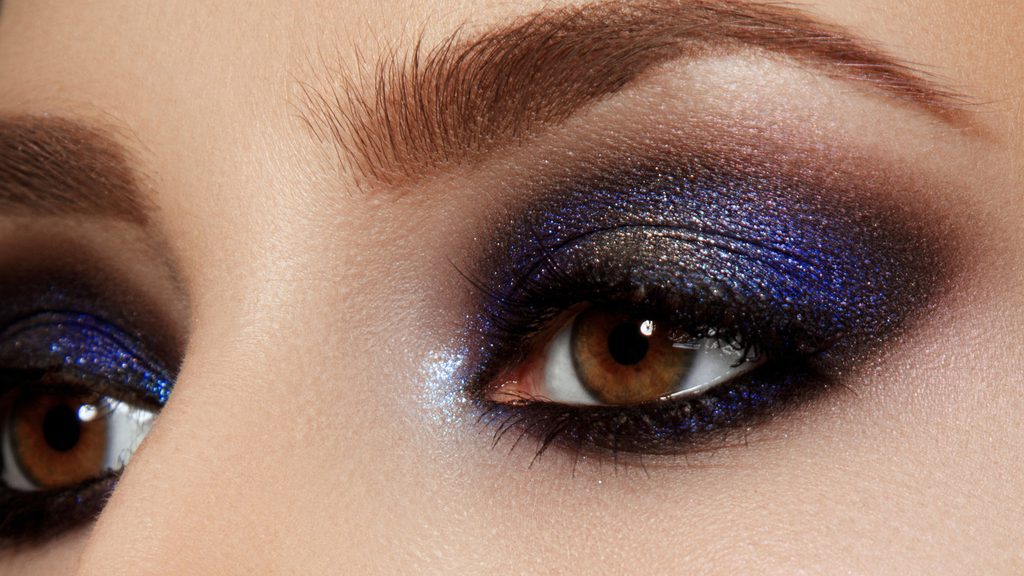
Brown eyes can work with a wide range of eyeshadow shades, from natural browns to bold jewel tones. The best eyeshadow for brown eyes depends on whether you want to emphasize their natural warmth or create stronger contrast. Your skin undertone helps determine which version of each shade will look most balanced.
What Color Eyeshadow for Brown Eyes Should You Pick First?
For an everyday look, start with gold, bronze, copper or warm brown. These shades can bring out golden flecks in brown irises and create a soft, defined appearance. For more contrast, experiment with deep blue, teal, green, purple or plum. These colors offer a different effect without limiting you to traditional neutral palettes.
| Shade | Why it works | Skin tone note |
|---|---|---|
| Gold, bronze and copper | Emphasize warmth and golden flecks | Warm bronze for warm and olive skin; rosy versions for cool skin |
| Warm browns | Create soft, natural definition | Match the shade temperature to your undertone |
| Deep blue, teal and green | Add noticeable contrast | Try as liner or outer-corner shades |
| Purple and plum | Add depth and contrast | Cool plum for cool skin; burgundy-brown for warm skin |
| Periwinkle and pale shimmery blue | Create a softer, unexpected color accent | Try on the lid or inner corner, adjusting intensity to skin depth |
These eyeshadow colors for brown eyes cover both subtle and more dramatic looks. You can also combine a neutral lid with a colorful liner instead of applying a bright shade across the entire eyelid.
Best Eyeshadow Color for Brown Eyes if You Can Only Buy One
Choose a bronze-gold eyeshadow with a satin finish if you want one versatile option. It works for everyday makeup, evening looks and simple one-shadow applications. If you prefer cooler contrast, a deep plum is another option. The best eyeshadow color for brown eyes is ultimately the shade that complements your undertone and creates the finish you want.
Brown Eyes Makeup Colors Beyond Eyeshadow
Brown eyes makeup colors do not have to stop at eyeshadow. Navy, teal and green eyeliner can add definition without requiring a colorful full-lid look. Brown mascara creates softer definition, while black mascara provides more contrast. If you wear colored contact lenses, choose makeup shades that complement the lens color and the overall look you want..
Metallics and Bright Colors
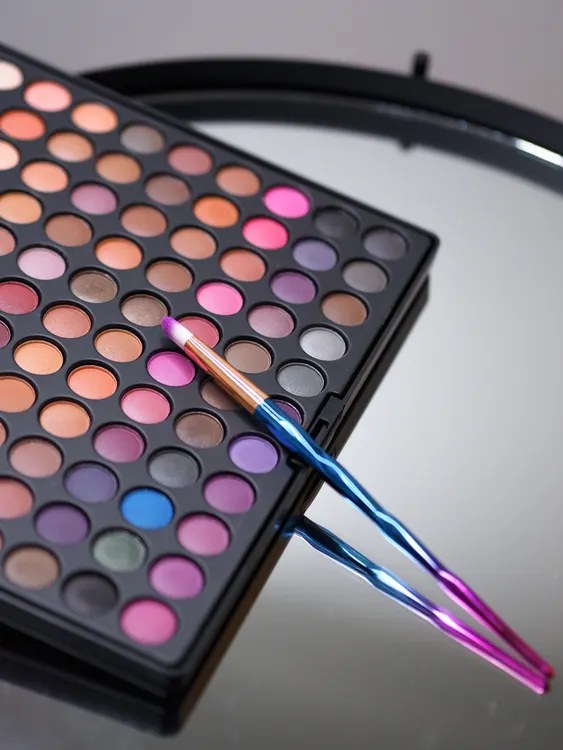
Metallics and bright shades emphasize contrast and texture, so choose their intensity according to the look you want.
Metallics.
- Warm: gold, bronze, copper and warm champagne
- Cool: silver, pewter, cool rose-gold and icy taupe
- Neutral: either, in muted versions
- Olive: warm golds and bronzes tend to look better than silvers
On mature skin, a small concentrated pop of metallic on the center of the lid can look more polished than a full metallic lid, since shimmer can emphasise lid texture.
Bright colors. Brights work as the accent, not the whole look. Pick one, such as a teal, a plum or a cobalt, and pair it with neutrals from your undertone family. Bright mattes are the hardest to blend, so build them in thin layers over primer rather than in one thick swipe.
Why a Palette Looks Muddy or Ashy
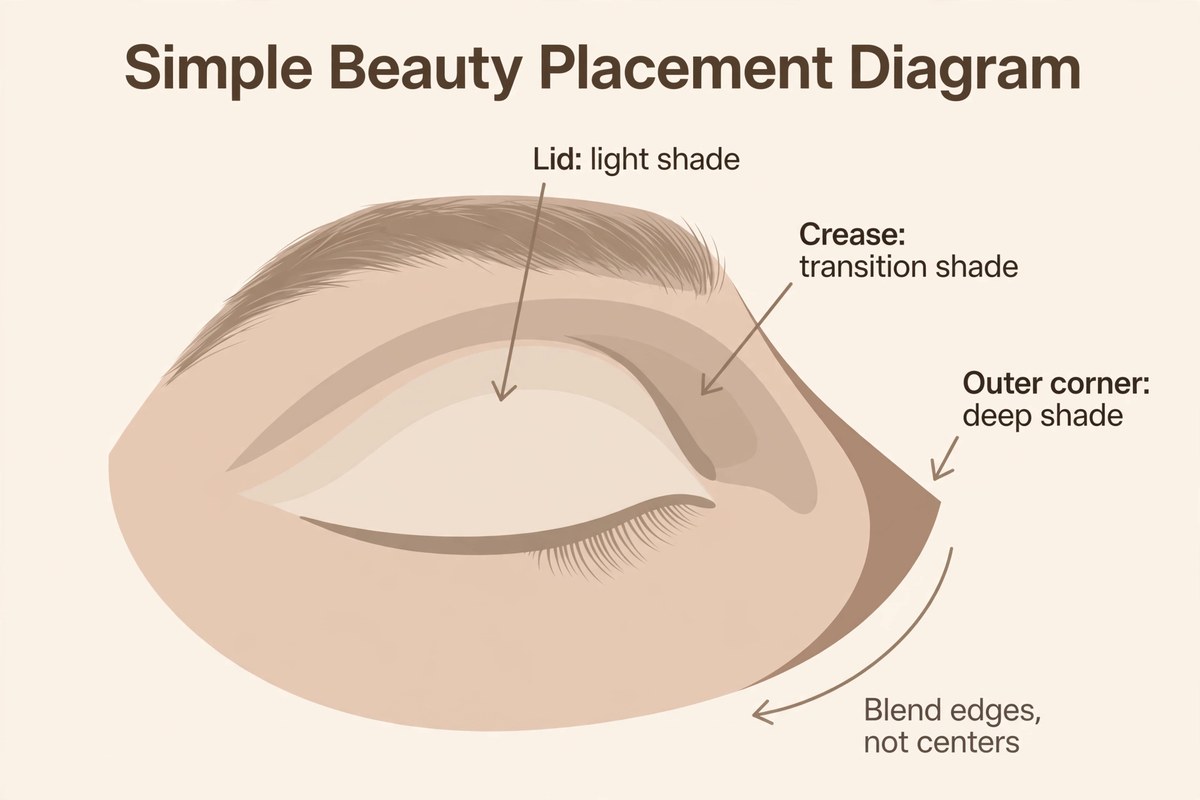
When a palette disappoints, the problem is usually one of four things, and only one of them is the palette itself.
- The shades fight your undertone. A cool palette on warm skin goes grey, a warm palette on cool skin goes orange, and a “neutral” palette on olive skin can go orange. If a shade looks more orange than expected, compare a cooler or more muted swatch in the same lighting. If shades keep pulling grey or ashy, try warmer, more saturated ones.
- The shades are too close in depth. When lid, crease and outer-corner shades are the same depth, they blend into one flat smudge. You need visible steps: light on the lid, medium in the crease, deep at the outer corner.
- There’s no transition shade. Jumping straight to a dark brown is the fastest route to a muddy look. The transition shade softens the edge between skin and deep color.
- You’re over-blending contrasting shades. Blend the edge of each shade, not the centers together. Place, blend the edge, then stop.
If a whole palette looks wrong, test one shade alone on a clean, primed lid in daylight. If it looks right alone, the problem is the combination or the technique. If it looks wrong alone, it’s an undertone mismatch, and no technique will fix that. If any product irritates your eyes, stop using it.
Quick Color Pairing Chart: Eyeshadow Colors for Your Skin Tone
Use this as a starting point for eyeshadow colors for skin tone and undertone. Undertone is a spectrum, and deliberate contrast can look striking, but when in doubt, start here. It covers eyeshadow colors for your skin tone before eye color is added.
| Undertone or depth | Everyday neutrals | Best accent shades | Use with care |
|---|---|---|---|
| Warm | Golden brown, bronze, caramel, warm taupe | Copper, terracotta, olive green, warm plum | Icy silver, blue-pink, frosty pastels |
| Cool | Cool taupe, mauve, soft plum, dusty rose | Berry, plum, slate, silver | Bright copper, orange-brown, yellow-gold |
| Neutral | Warm taupe, soft bronze, muted mauve | Gold, plum, copper, berry (muted versions) | Icy pastels, neon brights, strong orange or blue bases |
| Olive | Warm bronze, gold, warm sable, burgundy-brown | Muted berry, dusty rose, warm plum | Cool browns that go grey, icy pinks, pale shimmer |
| Fair depth | Bone, champagne, light taupe, soft mauve-brown | Soft versions of your undertone family | Very deep shades for everyday, pale shimmer that chalks |
| Deep depth | Deep bronze, copper, warm chocolate, rich plum | Gold, rich berry, saturated jewel tones | Ashy, pale or grey-based shades; under-pigmented formulas |
Frequently Asked Questions
What is the best eyeshadow color for brown eyes?
Almost anything works, which makes brown the most forgiving eye color. Gold, bronze and copper add warmth, plum and purple add contrast, and deep blue, teal and green add drama. Pick the version that matches your undertone and the payoff follows.
What is the best eyeshadow for brown eyes if I’m a beginner?
Start with a warm bronze or gold lid shade and a soft brown crease. They’re hard to get wrong on brown eyes and easy to blend.
What color eyeshadow for brown eyes works on olive skin?
Warm bronze, gold, copper and burgundy-brown are the safest starting points, with muted plum as an accent. Be careful with cool browns, which can turn grey on olive skin. Test in daylight.
What are the best eyeshadow colors for brown eyes if I want a palette?
The best eyeshadow colors for brown eyes in a palette are warm neutrals plus one or two contrast shades such as plum or teal. Eyeshadows for brown eyes can be warm or cool, so check that the palette’s browns suit your undertone. Brown eyes makeup colors can also include a navy or teal liner, so use the palette’s accent shade there.
What is the best eyeshadow for blue eyes?
Warm shades are the most reliable: copper, bronze, gold, peach and warm brown. Burgundy and navy add depth. Light grey-blue eyes may also suit cool accents, though some artists say icy shades can wash out blue eyes.
What is the best eyeshadow color for blue eyes?
If you can only pick one, choose a medium warm bronze. Gold, copper and peach are close behind.
What are the best eyeshadow colours for blue eyes?
The most-recommended eyeshadow colours for blue eyes are copper, bronze, gold, peach and warm browns, with burgundy and navy for depth.
What’s the best colour eyeshadow for blue eyes if I have cool skin?
Choose muted, rosy versions of the warm shades: a rosy copper, soft terracotta-mauve or warm mauve. They contrast with your eyes without turning orange on cool skin.
What color eyeshadow for blue eyes works on deep skin?
Rich, saturated warmth tends to work: deep bronze, copper, burnished gold and burgundy. Test under flash as well as daylight, and skip ashy or pale shades.
What eyeshadow for pale skin blue eyes?
For eyeshadow blue eyes pairings on pale skin, soft champagne, light peach and rosy taupe are good starting points. Keep the deepest shade at the outer corner and skip pale shimmers that chalk up.
How do I know my undertone for eyeshadow?
Use several tests and look for a pattern rather than a single verdict. Vein and jewelry tests are informal clues and can be unreliable, so compare real product swatches in consistent daylight, and drape cream and optic-white fabric near your face in indirect daylight. If the tests disagree, you may be neutral or olive. See our guide to finding your skin undertone.
Are warm or cool neutral eyeshadows better?
Neither is better in general, because the right one matches your undertone. Warm neutrals suit warm undertones and olive skin, and cool neutrals suit cool undertones. Neutral undertones can wear both in muted versions. If neutrals keep pulling orange, try cooler or more muted shades, and if they keep pulling grey, try warmer, more saturated ones.
How do I choose an eyeshadow palette for deep skin tone?
Prioritise visible pigment and the finish you prefer, since both warm and cool shades can work on deep skin. Saturated, warm-based shades such as deep bronze, copper, rich plum and gold are reliable. Avoid palettes whose shades look pale or grey-based in the pan. Check swatches on deep skin, test under flash as well as daylight, and favor satin or soft metallic finishes over pale mattes.
Conclusion
The best eyeshadow colors for skin tone come from a simple order: undertone first, depth second, eye color third. When those three agree, shades stop fighting you. Browns stay brown, neutrals stay neutral, and accent colors make your eyes stand out instead of competing with your skin. Start with your undertone family, adjust for your depth, and let your eye color choose the accent, whether that’s a copper for blue eyes or a plum for brown.