Home grooming a Shih Tzu is completely doable, but it has a real learning curve. Most guides skip the parts that actually trip people up: uneven cuts, post-bath matting, and handling tricks. This complete guide for how to groom a Shih Tzu at home covers what matters.
From the exact brushing technique to prevent matting, proper clipping angles to avoid divots, bath and drying strategies, and behavioral management. You’ll learn where your Shih Tzu will flinch, which treats keep them cooperative during ear cleaning, and how long you can work before they refuse to cooperate. So Master these Home Dog Grooming essentials.
The Short Answer
Grooming a Shih Tzu at home requires daily line brushing, the right tools, and understanding their unique coat behavior.
- Use a pin brush (not a slicker brush) and practice line brushing from root to tip—surface brushing misses mats forming against the skin
- Expect the coat transition phase (9-18 months) where puppy and adult coat tangle constantly—this is normal, not a failure
- Brush while blow-drying with the lowest heat setting to achieve that soft, fluffy finish—drying then brushing creates frizz
- For anxious dogs, build positive associations gradually with short sessions and high-value treats rather than pushing through one difficult groom
First, Understand What You’re Actually Working With
The Shih Tzu coat is genuinely unlike most other dogs, and if you treat it like a regular dog coat, you’ll fight it constantly.
Here’s the thing nobody tells you upfront: Shih Tzus don’t really shed. That sounds like good news, and in some ways it is — your furniture stays relatively fur-free. But it means loose hair doesn’t fall out. It stays in the coat, gets tangled up in the outer layer, and forms mats.
The less frequently you brush, the worse this gets. Skip a few days during the coat transition phase — more on that in a minute — and you can end up with a mat the size of a golf ball behind the ear seemingly overnight.
The coat also has two layers. There’s a softer, finer undercoat and a longer outer coat that’s silky and slightly human-hair-like in texture. This is why the wrong brush feels so wrong on a Shih Tzu — brushes designed for thicker or coarser coats either scratch the skin or snap the fine outer coat instead of moving through it properly.
The Coat Transition Phase Nobody Warns You About
If your Shih Tzu is somewhere between nine months and eighteen months old and you feel like you’re losing the grooming battle no matter what you do — you’re not doing anything wrong. You’re just in the transition phase.
During this period, the puppy coat and adult coat exist at the same time. They have different textures. They behave differently. They tangle together constantly. I genuinely brushed my dog daily during this phase and still found mats. It’s not a sign of failure. It’s just a difficult few months that every Shih Tzu goes through.
The most practical advice I can give for this phase: cut the coat shorter. A short puppy cut during the transition makes the whole thing manageable. You can grow it back out once the adult coat has fully come in and the tangling calms down.
Everything You Need to Groom a Shih Tzu at Home
I’ve bought a lot of grooming tools over the years. Some were genuinely useful. Some collected dust immediately. Here’s the honest version.
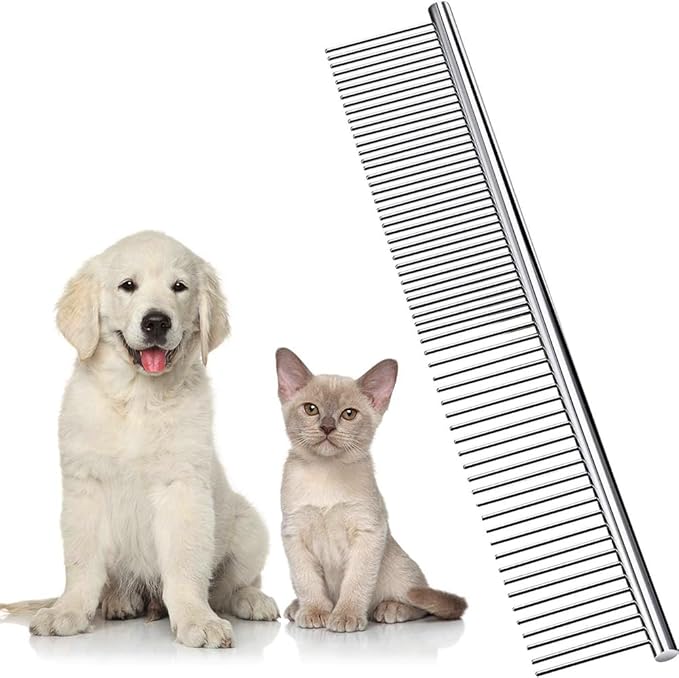
Metal Greyhound Comb
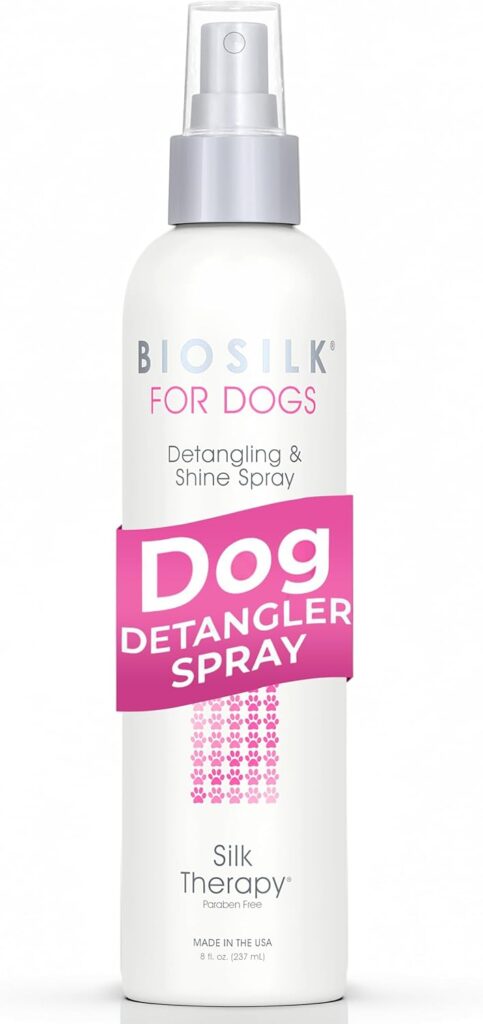
Detangling spray
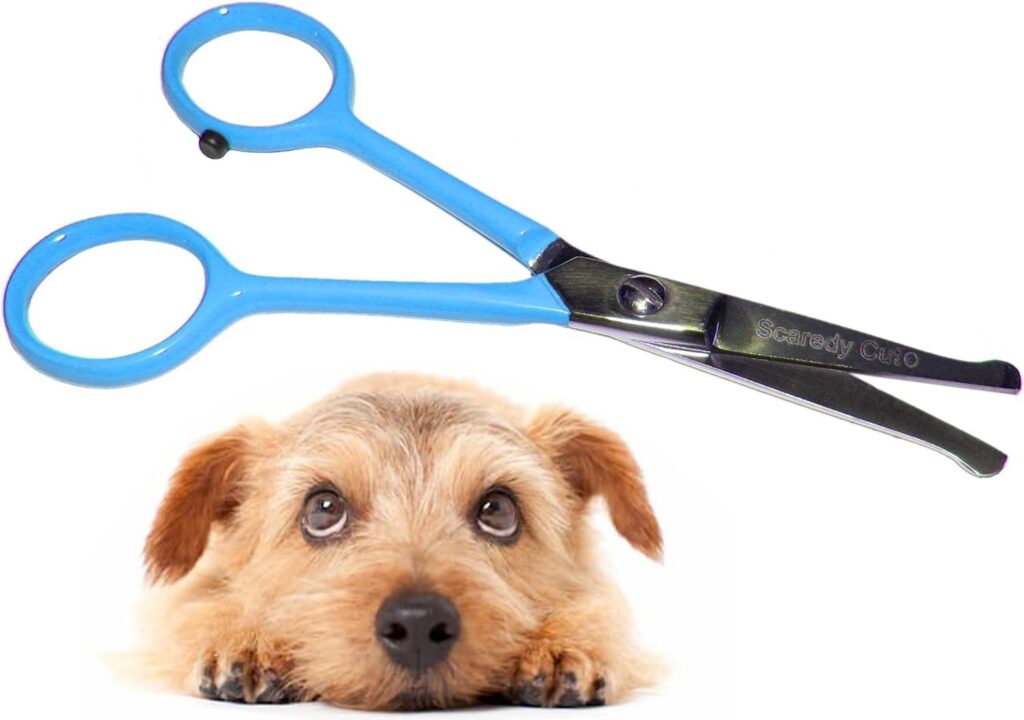
Blunt-tipped scissors
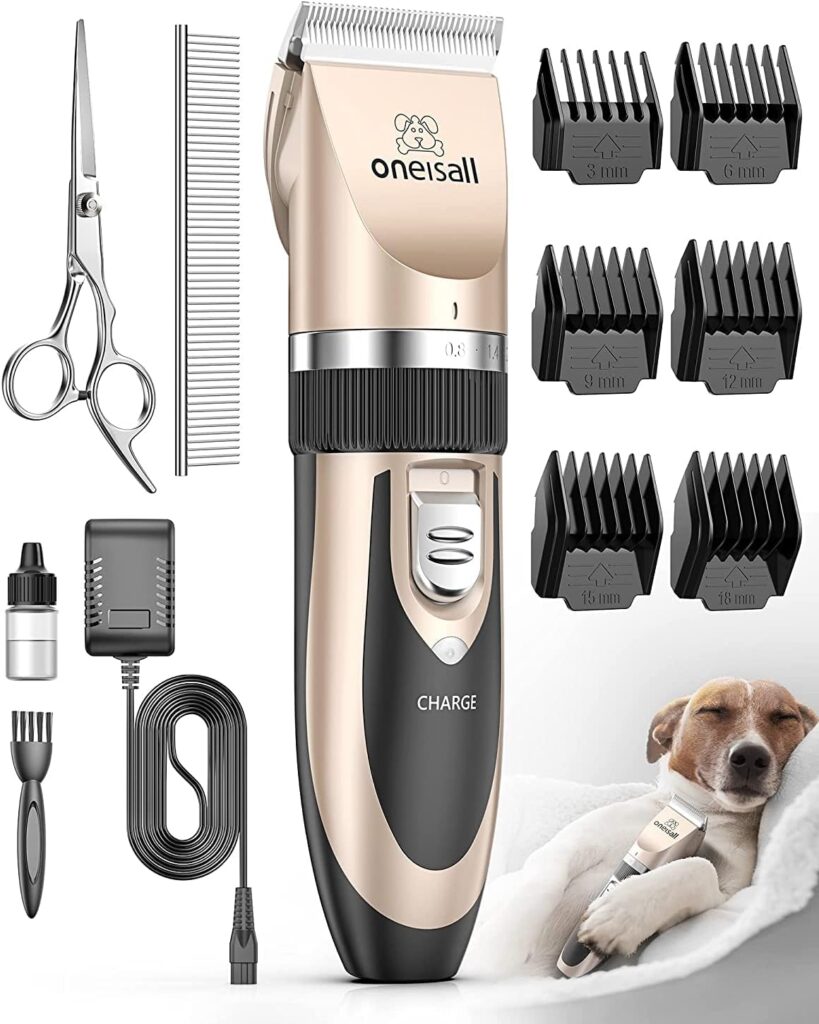
Dog clippers with guard combs
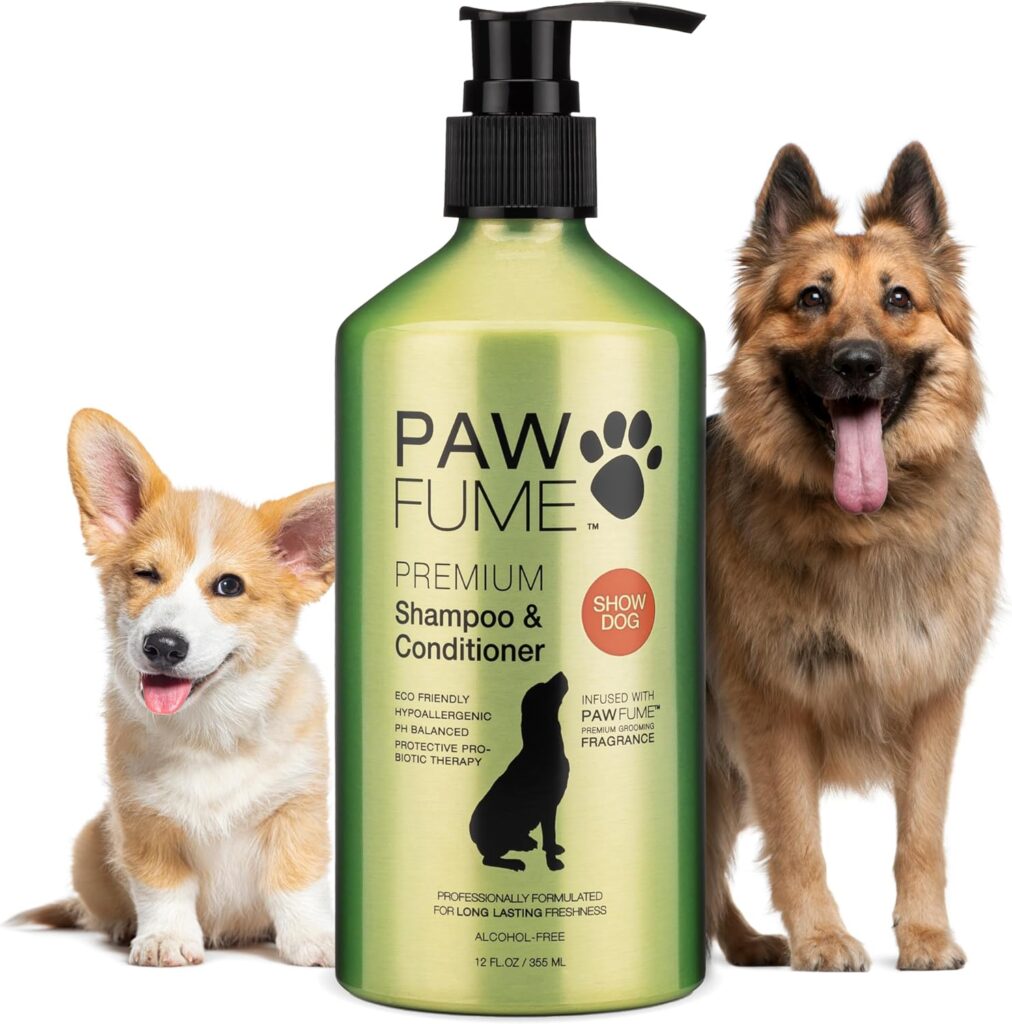
Shampoo AND conditioner
This is the one mistake I see constantly. People reach for a slicker brush because it’s what most dog grooming advice recommends. For a Shih Tzu, using a slicker brush as your main tool is like detangling silk with a wire rake. The sharp metal pins snap the fine outer coat, scratch the skin, and create more frizz than they remove.
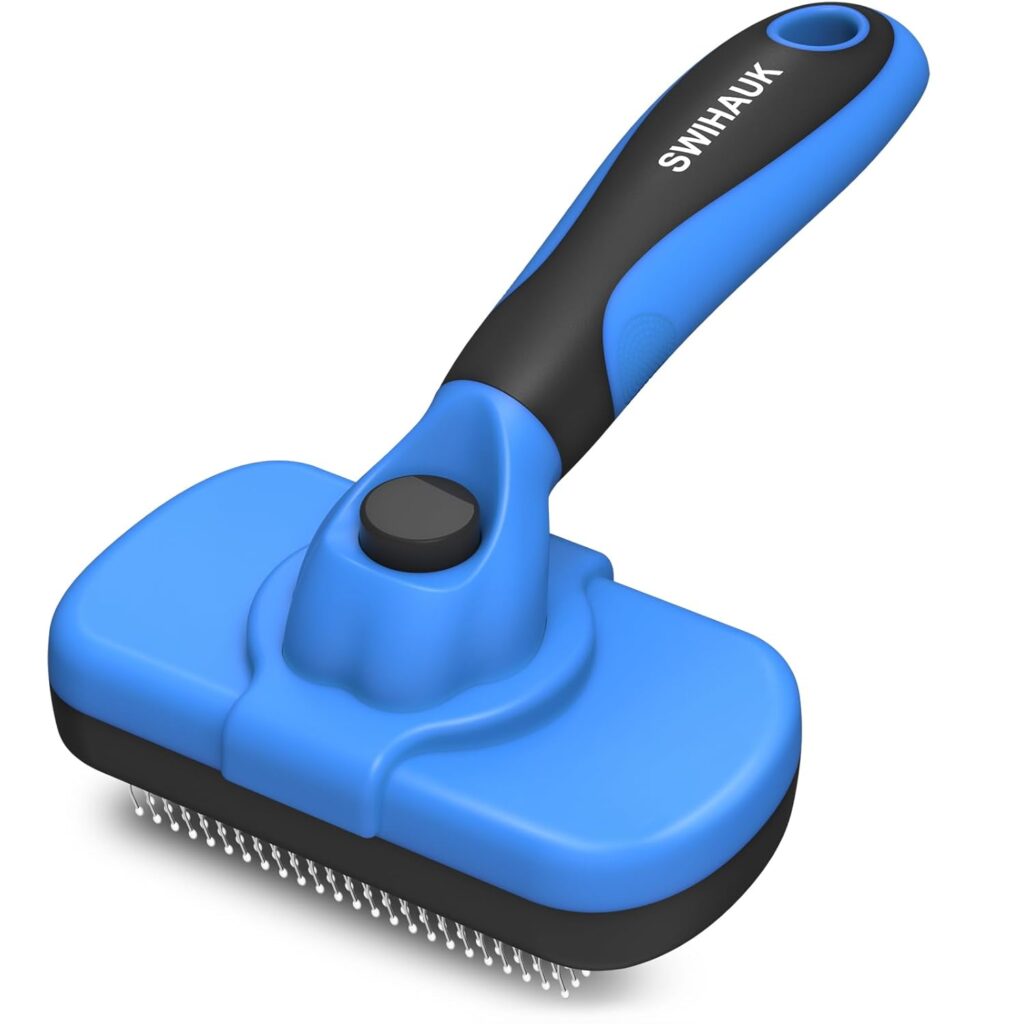
A pin brush (Swihauk Self Cleaning Slicker Brush) the kind with rounded metal tips set in a cushioned base — is the right primary brush for this breed. It moves through the silky coat without damaging it. Save the slicker brush for working out specific stubborn tangles, and only use one with protective ball-tip pins.
After brushing, I always run a metal comb through the coat. If it glides through from root to tip with no resistance, the coat is genuinely tangle-free.
If it catches, there’s something hiding underneath that the brush missed. The comb doesn’t lie. I’ve thought I was done brushing a hundred times and the comb has told me otherwise.
Not optional for this breed. A light mist before every brush session reduces static, softens any forming tangles, and makes the whole process more comfortable.
You don’t need anything expensive — a diluted mix of dog conditioner and water in a small spray bottle works just as well as anything sold specifically for dogs.
This is a safety thing, not a preference thing. Shih Tzus have large, prominent eyes that sit close to where you’ll be trimming.
Pointed scissors near those eyes on a dog who might move suddenly is a genuine risk. Blunt-tipped scissors only around the face. No exceptions.
If you’re maintaining the puppy cut at home, you’ll need clippers.
Start with a longer guard than you think is right — a number 4 or 5 guard gives roughly half an inch of length and is forgiving for beginners.
You can always go shorter. You can’t put the hair back.
Both. Not just shampoo. Conditioner on a Shih Tzu coat is what keeps it soft, manageable, and less prone to static. If you skip the conditioner step, you’ll notice the coat feels rougher and tangles faster within days. I learned this the hard way during a period when I ran out of conditioner and thought it probably didn’t matter that much.
It mattered.
For dogs with sensitive or reactive skin, my DIY natural dog shampoo recipes are worth trying — an oat-based formula specifically works well on Shih Tzu coats.
How Often You Actually Need to Groom
I’m going to be honest here because a lot of guides are vague about this.
If your Shih Tzu is in a puppy cut — short all-over trim — you can brush every other day and manage fine. Bathe every two to three weeks. Full groom with a trim every six to eight weeks.
If you keep a longer coat, you need to brush daily. Not every other day. Daily. And bathe every two weeks rather than three. I’ve tried to stretch these intervals on a longer coat and regretted it every time.
Nail trimming every three to four weeks — if you can hear clicking on hard floors, you’re already overdue.
Ear checks every two weeks — Shih Tzu ears trap moisture and this breed is prone to infections.
Teeth brushing three or four times a week — Shih Tzus have small, crowded mouths and dental disease shows up early in this breed.
The Full Grooming Routine — In the Right Order
Order matters more than most people realize. Do these steps out of sequence and you’ll create extra work for yourself.
The Tear Stain Situation
Every Shih Tzu owner asks about tear staining eventually. Let me be straightforward about it because there is a lot of misleading information out there.
The reddish-brown staining under a Shih Tzu’s eyes comes from a compound called porphyrin that’s present in tears. Shih Tzus produce more overflow tears than other breeds because their flat face means the tear drainage system doesn’t work as efficiently as in dogs with longer muzzles. The tears spill onto the face, porphyrin stains the white coat, and there it is.
What genuinely helps:
Wipe beneath the eyes every single day with a warm damp cloth. Fresh tears don’t set into stains. Dried tears that have been sitting for two days do. Thirty seconds of daily wiping is the most effective prevention there is.
Keep the fur beneath the eyes trimmed short — less surface area for tears to collect on.
Switch to stainless steel or ceramic water bowls. Plastic harbors bacteria that can worsen staining. This change made a small but noticeable difference for my dog.
Try filtered water. High mineral content in tap water contributes to staining in some dogs.
What doesn’t help as much as advertised:
Most commercial tear stain products. Some contain antibiotics — specifically tylosin — which is not appropriate for long-term cosmetic use and is technically not legal for over-the-counter sale in the US in dog products. I’d steer clear.
Existing stains don’t disappear with any topical product. They fade as the coat grows out and gets trimmed. You’re managing new staining, not erasing old staining.
One important note: if your Shih Tzu’s tearing has suddenly increased, or is accompanied by redness, squinting, or pawing at the eye — that’s a vet conversation, not a grooming fix. Blocked tear ducts, eye infections, and corneal irritation all cause increased tearing and need actual treatment.
Shih Tzu Coat Styles — Knowing Your Options
- The puppy cut is an all-over trim of roughly one to two inches, same length everywhere. It’s the most practical option for home groomers. Brushing every other day is enough. It stays clean easily. It’s forgiving for uneven scissor work because shorter lengths hide minor imperfections. It’s what I keep my dog in.
- The teddy bear cut is similar in length but the face is scissor-trimmed into a round shape that makes the dog look like a stuffed toy. The body length is similar to the puppy cut. This is achievable at home once you’re comfortable with facial scissoring.
- The moderate length cut — body coat at three to four inches, topknot on the head. Requires daily brushing without exception. Beautiful when well-maintained. More demanding than the puppy cut.
- The full show coat — floor-length, flowing, the version you see in competition rings. Requires daily brushing, weekly bathing, significant time investment every single day. I mention it for completeness. It’s not practical for most pet owners and I wouldn’t recommend it for home groomers unless grooming is genuinely something you want to invest significant daily time into.
When Your Shih Tzu Won’t Cooperate
Some dogs take to home grooming easily. Some absolutely do not.
If your dog is fighting the process, the answer is not to push through faster. Forcing a panicking dog through a full groom creates a negative association that compounds — every future session starts from a worse baseline than the last one.
The correct approach is shorter sessions over more days.
Day one: brush for five minutes, one treat, stop on a good note. That’s it. Day two: brush for five minutes, handle the paws for a minute, treat, stop. Day three: add the ears being touched.
You are building a history of positive, non-threatening experiences. The full groom comes later once that foundation exists. Trying to shortcut this process by just getting through it once doesn’t work — it makes everything harder.
For dogs with real grooming anxiety, the most useful thing I’ve found is working with the grooming tools separately from the actual grooming. Let the dog sniff the clippers. Turn the clippers on near the dog without touching them. Let the dog hear the sound and get a treat with no grooming happening. Do this for several sessions before you ever bring the clippers near the coat. The same with scissors.
It feels like it’s taking too long. It is faster than trying to groom a dog who has decided grooming is a threat.
The Honest Summary
Grooming a Shih Tzu at home is not a skill you develop in one session. The first few grooms will be imperfect. That’s fine. Your dog is not judging the result — they’re building a relationship with the process. And so are you.
The tool that made the biggest difference for me was switching from a slicker brush to a pin brush. The technique that made the biggest difference was line brushing instead of surface brushing. The habit that made the biggest difference was wiping the eyes every morning and brushing for five minutes every evening rather than doing a marathon session once a week.
None of it is complicated once you’ve done it enough times to stop thinking about each step individually. It becomes a routine. Your dog learns the routine. And eventually grooming day stops being the thing you’ve been putting off and becomes just a normal Tuesday.