A matted long-haired cat can turn into a real bill: a professional shave-down, sometimes a vet visit for the skin underneath. Much of it is preventable with a few minutes of combing a day, which is why it pays to learn how to groom long haired cats properly.
This guide gives you the groomer’s core method, the spots where mats start, a calm step-by-step routine, and the signs that mean it’s time to hand over to a groomer or vet.
Quick Answer
To groom a long-haired cat effectively, brush and comb their coat several times a week—or daily for very dense coats—to remove loose fur, prevent painful mats, and reduce hairballs. Start with gentle strokes in calm, short sessions and reward your cat with treats or praise.
Why Long-Haired Cats Need More Help
Long hair is not just “more fur.” Many long-haired cats have a longer topcoat over a dense undercoat, though coat texture varies by breed and by individual cat. The ASPCA notes that indoor cats shed all year round. That loose fur doesn’t simply fall out. It catches on the live hair around it and, wherever the coat rubs and moves, it felts into a tangle. Left alone, the tangle tightens into a mat.
Matted cat hair is a clump of dead hair, dead skin cells and dirt, according to Purina, and it pulls on the skin with every movement. The ASPCA warns that matted hair can be painful and lead to underlying skin problems.
A cat’s tongue can’t keep up with a coat like this. Cats also groom less when age, weight gain or illness get in the way (Purina), so senior, overweight and arthritic cats need the most help. That is the gap your comb fills.
This guide is the deep dive for long hair only. For nails, baths, ears, eyes and teeth, see our Complete Cat Grooming Guide for Beginners.
Know the Coat You Are Grooming
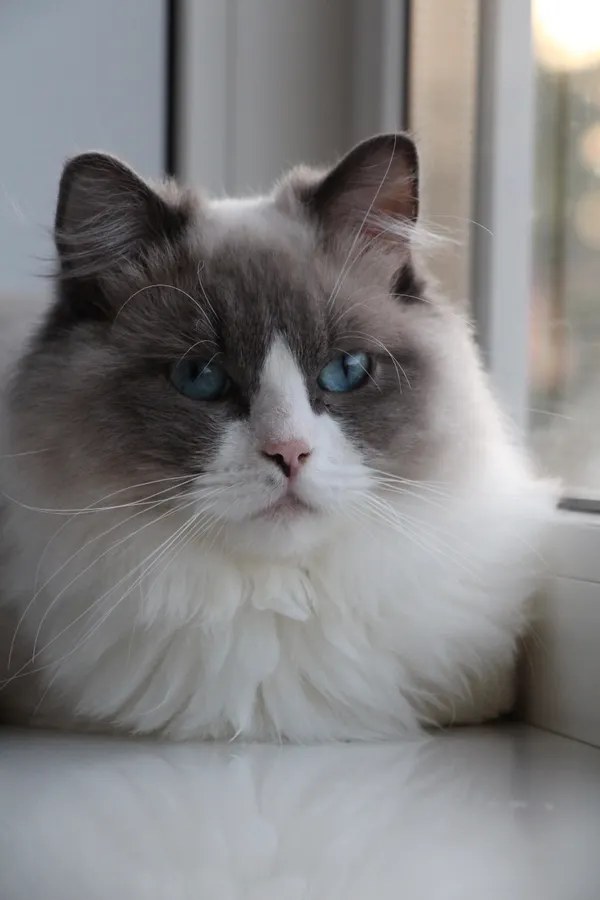
Grooming for long hair cats isn’t one-size-fits-all. Petplan’s vet-written advice suggests daily grooming for long-haired breeds like Persians and at least twice a week for semi-long coats like Ragdolls, and other sources note that coat thickness changes how often tangles form. Use the breed as a starting guess, then trust the comb. If it finds tangles between sessions, the coat needs more attention, whatever the label says.
| Coat | Examples | Starting point |
|---|---|---|
| Long, fine | Persian, Himalayan | Daily combing with the lightest pressure; check behind the ears |
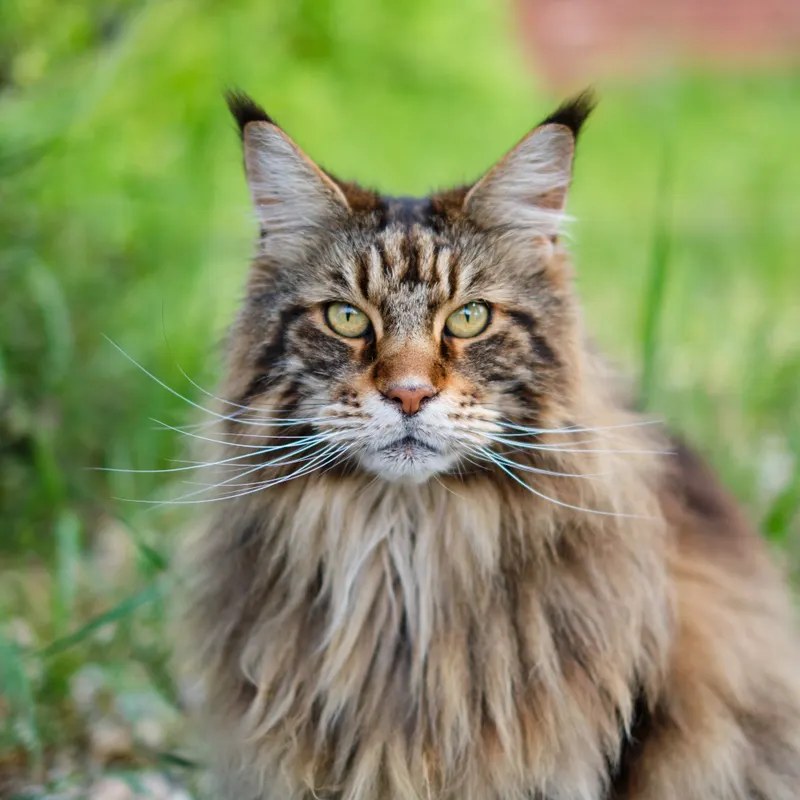
| Dense, heavy | Maine Coon, Norwegian Forest Cat | Every 1–2 days; extra undercoat attention in shedding season |
| Semi-long, silky | Ragdoll, Siberian | At least twice a week, every 1–2 days is better; focus behind the ears and under the collar |
Persians and Himalayans
These long coats need daily attention. Use the lightest pressure, because force on thin skin is how you end up with a flinching cat.
Maine Coons and Norwegian Forest Cats
The heavier coat has more undercoat, and the undercoat is where the work lives. If the comb comes back clean, you can often go a day between sessions. In shedding season, give the undercoat extra time.
Semi-Long, Silky Coats
These coats may tangle less, but they still mat, especially behind the ears and under the collar where the fur is finest and friction is constant.
Long Haired Cat Grooming Tools: Comb First, Brush Second
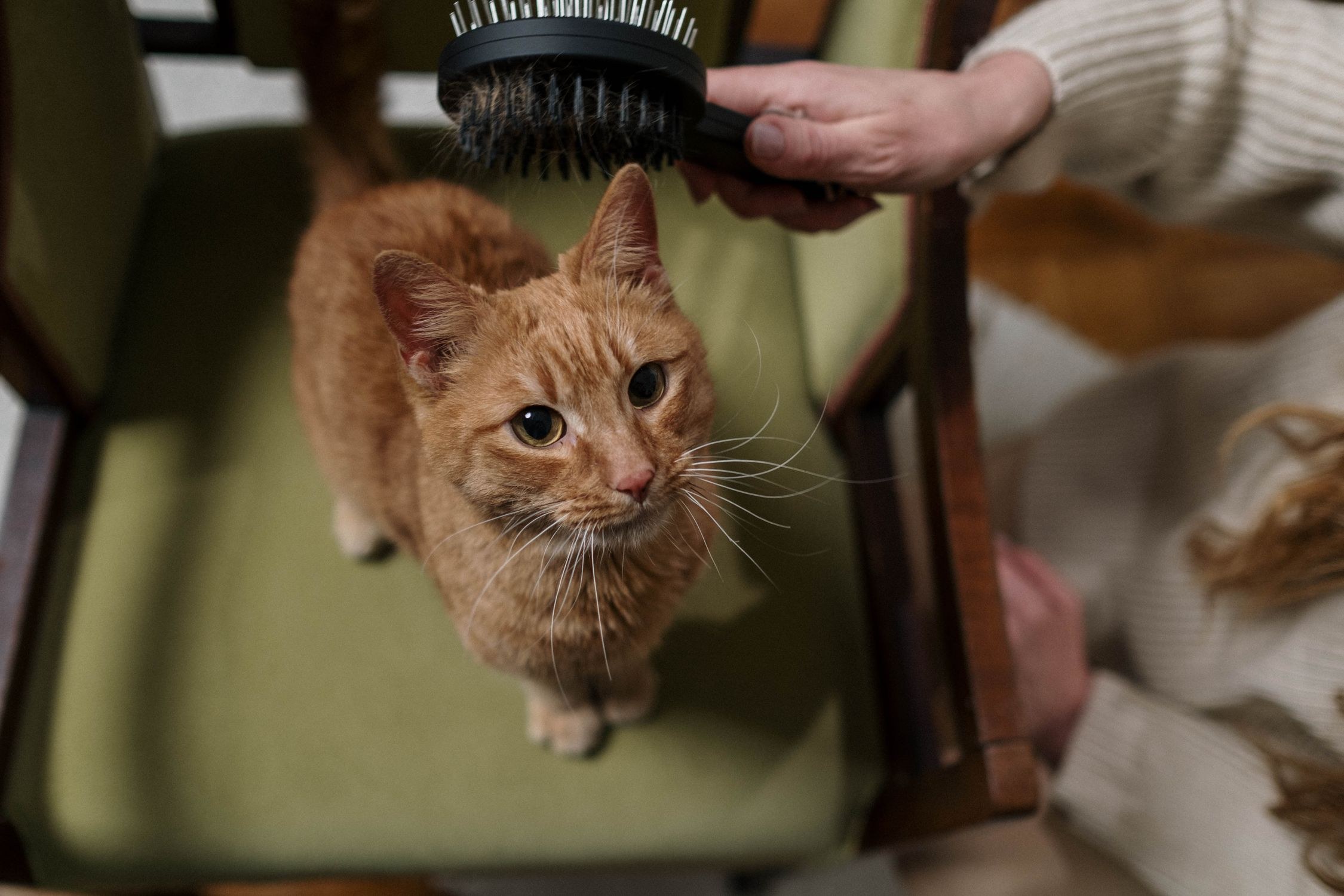
Most long-hair grooming goes wrong in the tool order. A slicker brush glides over the surface and makes the topcoat look smooth, but it may never reach the undercoat. Petplan’s vet-written guidance makes the same point: brushing alone may not get down to a long-haired cat’s undercoat. The fix is a three-step order, and the comb does the real work.
Step 1: Wide-Tooth Metal Comb
This is the working tool. It finds tangles, frees loose ones and proves a section is clear. VCA notes that long-toothed metal combs help remove loose hair and smooth minor tangles on medium and long coats, and that some combs are designed to lift loose undercoat during heavy shedding.
Step 2: Check With the Comb
A section is done only when the comb passes from skin to tip without catching. Until then, it is not done, no matter how smooth it looks.
Step 3: Soft Slicker Brush as the Finisher
Only after the comb passes clean do you smooth the topcoat and lift loose surface fur with a soft slicker brush. Use light pressure, because slicker pins can scratch thin cat skin. The slicker is not a mat-removal tool. If the comb caught something, deal with it before brushing.
Mat Splitters and Dematting Tools
Some guides, including the ASPCA, suggest a mat splitter for knots that fingers won’t free. If you use one, keep it to loose tangles, never push it toward the skin, and ask a groomer or vet to show you the technique first. Fingers and a comb come first. Never use any bladed tool on a tight or skin-level mat.
Cat-Safe Wipes
A damp cloth or a wipe labelled for cats handles sanitary touch-ups. If it isn’t labelled for cats, it doesn’t go near the cat. The full buying detail belongs in our best brushes for cats guide.
How to Reach the Skin Without Scratching: Line Combing
Line combing is the groomer’s core technique, and many guides skip it. It’s slower than sweeping a brush across the coat, and that is the point. It’s the only way to prove the coat is clear all the way to the skin.
- Lift a narrow line. Work in lines about as wide as the comb. With one hand, lift the coat above the line so the skin is exposed. With the other, comb that line from the skin outward in short strokes.
- Let the teeth do the work. Use light pressure and short strokes. If the comb stops, you’ve found a tangle. Don’t pull harder.
- Hold the base. When you work a loose tangle, hold the fur at the base near the skin with your fingers so the tug pulls against your hand, not the cat’s skin.
- Check, then move on. When the comb passes from skin to tip without catching, drop the next line and repeat. A coat can feel smooth on top while a mat forms underneath.
- Be lightest where skin is thinnest. The belly, armpits and inner legs need the shortest strokes and lightest pressure. If the cat says no, that zone waits until tomorrow.
- Don’t comb wet, matted fur. Wetting a mat generally tightens it, which is why the ASPCA advises brushing out loose hair and mats before a bath. If the coat is wet and matted, that’s a groomer call.
Mat-Prone Areas: Behind the Ears, Armpits, Belly and Rear
Mats form where the coat rubs, moves or stays damp. Check each of these zones every session, because a mat found early is a loose tangle.
Behind the Ears
VCA lists behind the ears as a spot where small mats form. Lift the ear gently and comb the fine fur in short strokes on both sides.
Armpits and Inside the Front Legs
Purina names the armpits as a main friction zone. Lift the front leg gently while the cat stands or lies on its side, never by pinning it down. If the cat guards this zone, work it in two short passes on different days.
Belly and Groin
Some cats won’t tolerate the belly, groin or inner legs, a point groomers often raise. Do it last, keep it brief, and try again tomorrow if the cat says no. Do a fingertip check of the belly at least weekly.
Back Legs and Britches
Purina and VCA both point to the back of the hind legs. Comb the inside of the back legs with the lightest pressure you use anywhere, and check the longer fur on the back of the thighs, where tangles hide.
Tail Base and Ruff
Collar friction affects the ruff, and tail movement affects the base. Part the tail fur down the middle, as the ASPCA describes, and comb each side.
Rear and Sanitary Area
This zone has its own rules, covered in the sanitary section below.
In every zone, “done” feels the same: the comb glides from skin to tip. And the stop rule is the same: skip it today rather than force it. A skipped zone is a delay. A cat that learns grooming means being held down is a problem that lasts months.
Step-by-Step: A Daily Routine for Grooming Cats With Long Hair
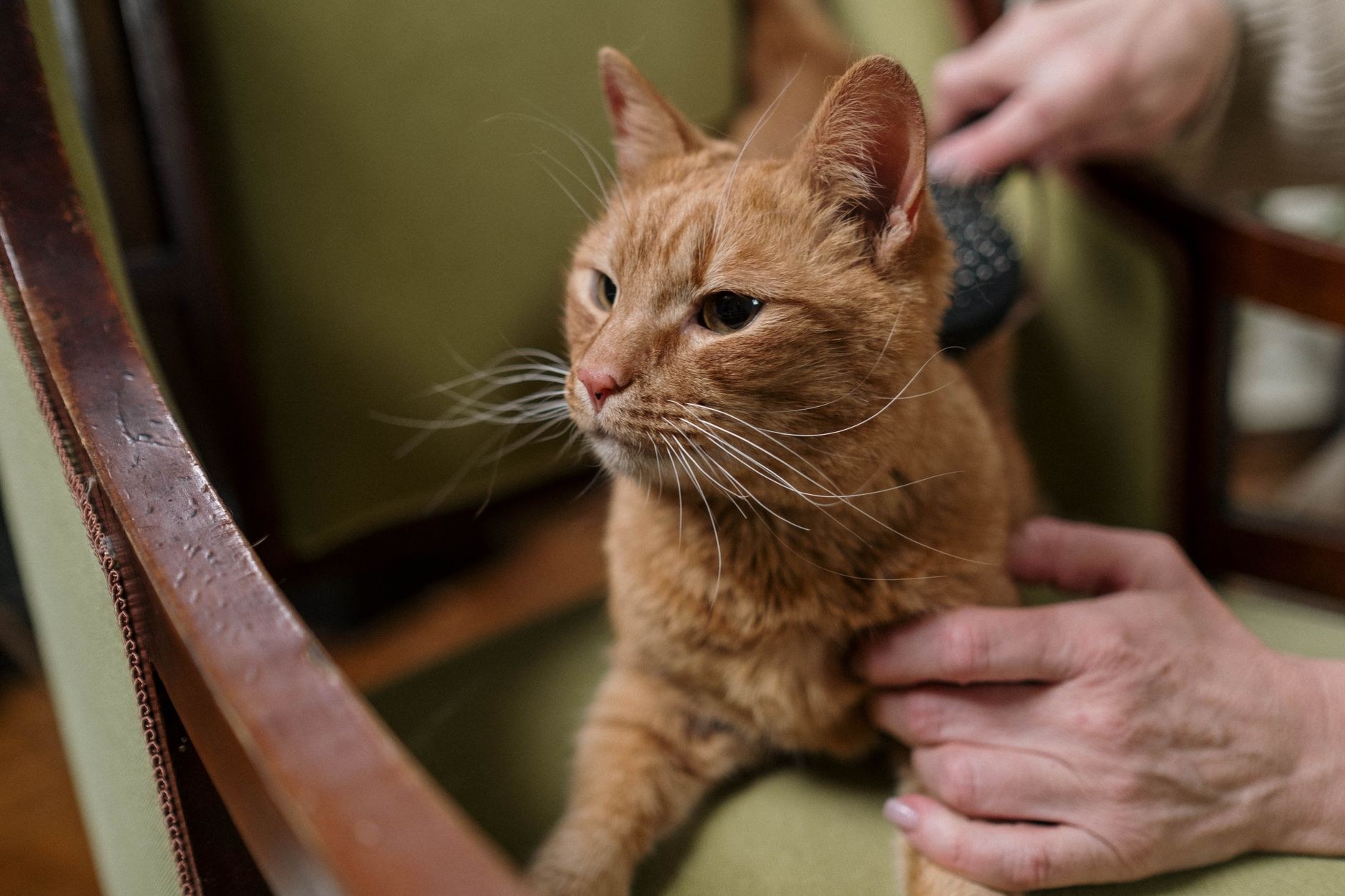
If you’re wondering how to groom a cat with long hair day to day, put the technique and the zones together. Aim for five to ten minutes. Short and daily beats long and weekly, because a long weekly session is how cats learn to dread grooming and how early tangles get missed.
- Pick a calm moment. After play and a nap, not when the cat is hungry or wired. Lay out the comb, slicker and a wipe.
- Start where the cat likes being touched. Cheeks, chin and shoulders. One easy win first.
- Line comb the easy zones. Back and sides, line by line, comb to skin. This is the bulk of the session.
- Do the mat-prone zones. Behind the ears, armpits, back legs, tail base, ruff, then belly if allowed. Skip any zone the cat refuses and put it on tomorrow’s list.
- Sanitary check. Wipe and comb the rear area, quickly and calmly.
- Slicker finish and skin check. Once the comb passes clean everywhere, smooth the topcoat. Run your hands along the body for lumps, redness, flea dirt or sores. Cornell notes that grooming helps you monitor the skin for parasites and signs of disease.
- End on a calm note. Treat, praise and stop while it’s still going well.
Stop rules. End the session calmly if you see flattened ears, dilated pupils, tail lashing, skin rippling along the back, growling, hissing, swatting or attempts to leave. Panting or open-mouth breathing means stop at once and seek veterinary advice. Don’t punish the cat. Reward the calm that happened and try again another day. If stress is severe every time, use a groomer or vet.
Sanitary-Area Maintenance
Long fur around the rear can catch litter and dried faeces, and a cat that can’t reach its own rear can’t fix it alone. Senior, overweight and arthritic cats struggle most.
- Check it every session. Dried matter, dampness or a tangle at the rear is a same-day job.
- At home, wipe and comb only. Use a damp cloth or cat-safe wipe, gently comb through loose rear fur, and keep the area dry.
- What not to do. Don’t use scissors near the rear, don’t pull dried matter off the skin, and don’t force a cat that guards this zone. The ASPCA mentions snipping soiled fur with scissors, but cat skin is thin and loose, and one wrong move causes a cut. A groomer’s sanitary trim is the safer route.
- When it’s a groomer job. Matted or dirty rear fur, recurring soiling, or a cat that can’t clean itself needs a sanitary trim. This is a routine groomer service.
- When it’s a vet job. Redness, sores or discharge at the rear, or soiling that is new or sudden, needs a vet. A cat that suddenly can’t keep itself clean may be in pain.
Hairballs and Loose Undercoat
Cornell explains that regular brushing or combing means your cat ingests less hair and has fewer hairball problems. The fur you remove with a comb is fur the cat doesn’t swallow.
- Undercoat comb. During heavy shedding, VCA notes that some combs are designed to remove clumps of loose undercoat. Use one only on dry, tangle-free fur, with light pressure, and never on a mat, the belly or the armpits.
- Watch the skin. The ASPCA lists redness, bald patches and obsessive licking or scratching as signs for a vet exam. If your cat flinches at the brush or the skin looks irritated, stop and ask your vet.
- The honest limit. Brushing reduces hairballs but doesn’t prevent every one. The ASPCA suggests asking your vet if hairballs continue despite regular brushing. Frequent vomiting or retching, lethargy, appetite loss, constipation or diarrhoea is a vet visit, not a grooming problem.
How Often to Groom a Long Haired Cat
Sources disagree, so here is the honest version. The ASPCA says indoor long-haired cats need grooming every few days. Petplan says semi-long coats need at least twice a week and Persians ideally daily. Purina suggests daily brushing for long-haired cats and says not to let the gap stretch beyond a week. WebMD says several times a week.
The reconciled advice: daily is the mat-prevention target for long, fine or dense coats, and every few days is the floor for easy coats. Let the comb be the tiebreaker. Sources disagree on frequency for long haired cat grooming, but they agree on one thing: if it catches tangles between sessions, groom more often, not for longer.
A realistic schedule for grooming for long hair cats:
| Task | How often | Notes |
|---|---|---|
| Comb to skin (including mat zones) | Daily to every few days, depending on the coat | Adjust to the coat, skin and the cat’s tolerance |
| Sanitary check | Every session | Wipe and comb only |
| Undercoat comb | As needed in heavy shedding | Dry, tangle-free fur only; never on mats |
| Skin check | Every session | Hands along the body while you comb |
| Kittens | Short daily sessions | Tolerance first. Cornell notes brushing is easier if started young |
| Seniors, overweight or arthritic cats | More frequent, gentler sessions | They groom less, so you groom more, with the lightest pressure |
Cat Matted Fur: Early Tangles vs Tight Mats
The most useful judgement in long-hair grooming is telling an early tangle from a tight mat. A matted fur cat needs a different approach depending on which one you’re facing.
Early Tangle: Safe to Work On
The fur still moves, the tangle lifts away from the skin, and you can see skin underneath. Work it with fingers and a wide-tooth comb, from the outer edge inward, holding the base near the skin. Stop if it hurts. Spread the work across sessions. VCA notes that a small tangle or a burr may come out by gentle combing.
Tight Mat: Hands Off
The mat sits flat against the skin, the skin tents up when you lift it, it feels hard or felted, it’s painful or smelly, it sits over red or sore skin, it covers a large patch, or the cat won’t let you near it. Any one of these means the same thing. Don’t use scissors on matted cat hair, don’t wet it, and don’t pull. VCA says to use clippers only and to seek a groomer or vet for severe or extensive tangles, and to see a vet if a mat has caused any skin irritation.
Mats Can Hide Damage
Cat matted fur can hide bruising and sores that stay invisible until the mat comes off. That’s one more reason tight mats belong to a professional. If you free a tangle and find red or broken skin underneath, stop grooming that spot and book a vet visit.
When a Professional Clip Is Safer
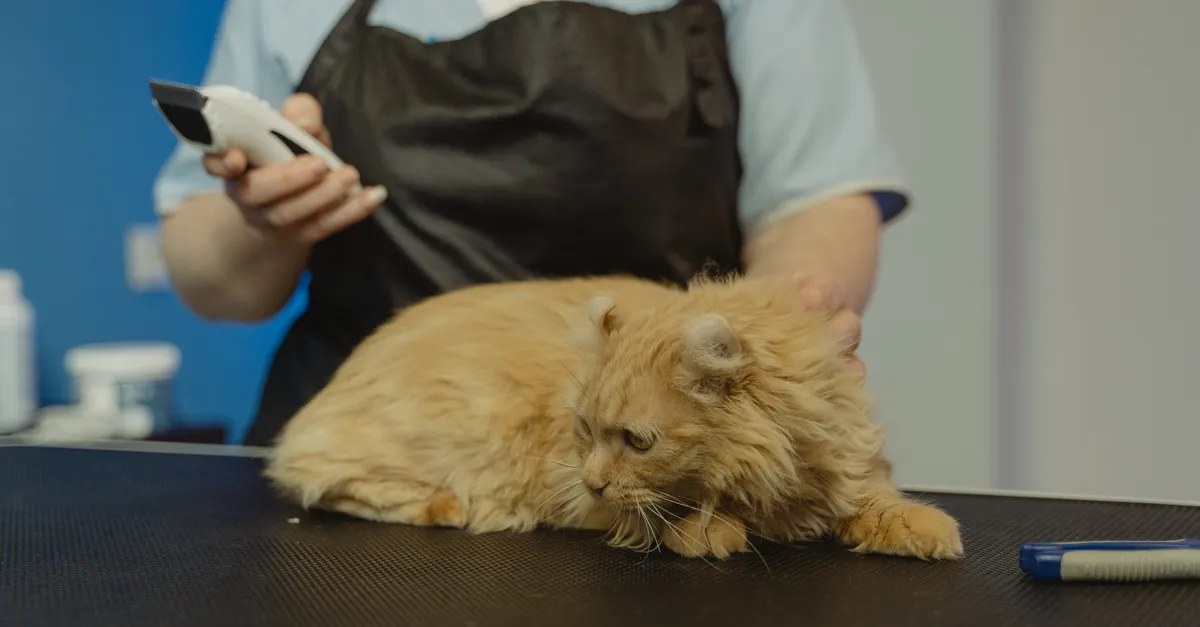
A professional clip is a reset, not a routine haircut. It’s the right call for severe or pelted matting, a cat that won’t tolerate needed handling despite slow reintroduction, recurring rear soiling, or skin damage under a mat. VCA notes that long-haired cats prone to large mats, or those that object to regular brushing, may benefit from being shaved down periodically.
Do not clip a matted hair cat at home. Cat skin is thin and loose, and it folds and tents in ways that make home clipping a cut risk. A groomer assesses temperament and the skin underneath, and refers painful or unhandleable cases to a vet.
Don’t shave for summer as a routine. Petplan’s vet-written guidance notes that long-haired cats generally cope well with heat and don’t usually need a haircut. Keep the coat mat-free with regular combing and offer shade, fans and cool resting spots instead.
See a vet instead of a groomer when:
- The skin under a mat is red, broken, oozing or foul-smelling
- Your cat is in pain, or a matted fur cat reacts sharply when touched
- Grooming behaviour changes suddenly, or there is over-grooming or bald patches
- Your cat pants, breathes with an open mouth or collapses during grooming. This is an emergency.
Pros and Cons of Grooming Cats With Long Hair at Home
Home grooming is real work, and pretending otherwise is how owners burn out and cats end up matted.
- Prevents painful mats instead of rescuing them
- Fewer hairballs, because you remove the fur before the cat swallows it
- Early health checks: lumps, skin problems and parasites found by hand
- Bonding, when done gently and on the cat's terms
- Lower cost than frequent professional grooms
- The cat stays in a familiar place with a familiar person
- Short tolerance windows. Some cats give you three minutes, not ten.
- Scratch and bite risk if the cat is pushed past its limit
- Not a substitute for a groomer or vet when either is needed
- The daily time commitment is real, and skipping it has visible consequences
- Thin skin that cuts easily
Frequently Asked Questions
Conclusion
Learning how to groom long haired cats comes down to a daily habit, not a big event. Comb to the skin in narrow lines, check the mat-prone zones every session, keep the sanitary area clean, and stop at the first stress signal. Tight mats, damaged skin and panicked cats belong to a groomer or vet. Your job is making sure they rarely get there. A few calm minutes a day is kinder than one rescue groom. For the general beginner routine, start with our Complete Cat Grooming Guide for Beginners.
This guide is general information, not veterinary advice. If your cat’s skin looks red, sore or broken, or grooming behaviour changes suddenly, see a vet.
References
- ASPCA: Cat Grooming Tips
- Cornell Feline Health Center: Choosing and Caring for Your New Cat
- VCA Animal Hospitals: Grooming and Coat Care for Your Cat
- Petplan: Grooming long-haired cats
- Purina: Cat matted fur and how often to brush
- WebMD: Cats, fur problems and grooming